Shop

Vertical Plate Grabs

Vertical plate grabs supplied by Toco Lifting in a 1 to 5 ton capacity range, gripping mild steel plate in the vertical position in single and multiple-clamp configurations. Not for hardened steel. Supplied by an LME 008 entity across South Africa and SADC.

Description

Vertical Plate Grabs, Quick Facts

ProductVertical plate grab, a lifting clamp
FunctionGrips and carries a steel plate in the vertical position, on its edge
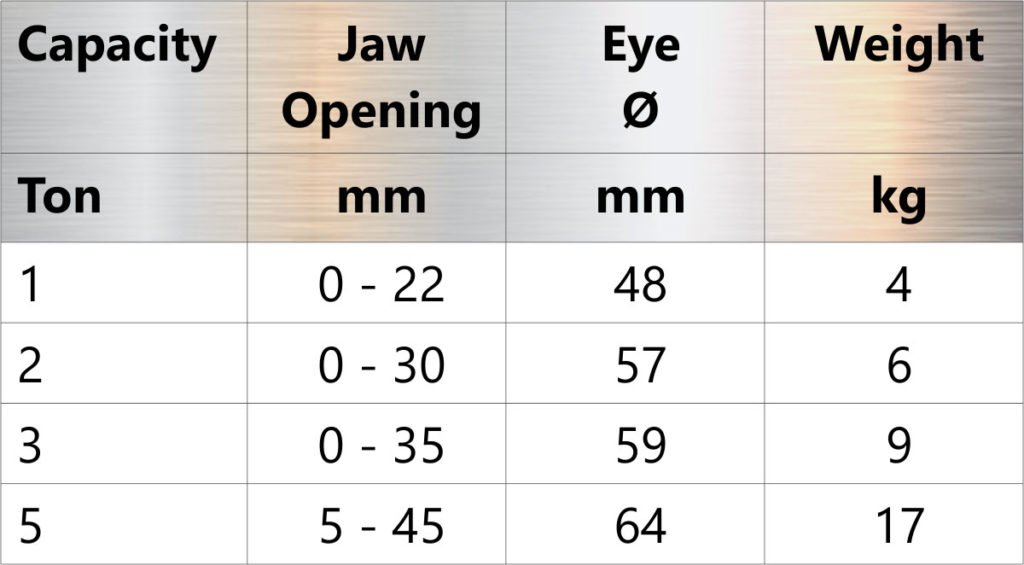
Capacity1 ton to 5 ton, single and multiple clamp configurations
Suitable forMild steel plate and similar sheeting, not for hardened steel
CertificateAdvised on enquiry
Supplied fromToco Lifting, Germiston and Cape Town

Toco Lifting has supplied lifting, lashing and rigging equipment across South Africa and SADC since 2002 and is a registered Lifting Machinery Entity (LME No. 008).

Vertical plate grabs are lifting clamps that grip and carry a steel plate in the vertical position, on its edge. Toco Lifting supplies vertical plate grabs in a 1 to 5 ton capacity range, in single and multiple-clamp configurations. They lift mild steel plate and similar sheeting and must not be used on hardened steel.

Toco Lifting (Pty) Ltd holds LME No. 008 under the Occupational Health and Safety Act and supplies lifting, lashing and rigging equipment to mining, construction and industry across South Africa and the SADC region.

What is a vertical plate grab?

A vertical plate grab is a lifting clamp that grips a steel plate by its faces and lifts it on its edge, in the vertical position. A cam-and-jaw mechanism locks onto the plate as the load comes on, holding it securely for the lift. Vertical plate grabs are used to lift single plates upright — for example, taking a plate from a rack or stand — and can be used in single or multiple-clamp configurations depending on the plate.

Vertical vs horizontal plate grabs

A vertical plate grab lifts a plate on its edge in the vertical plane, while a horizontal plate grab carries a plate flat in the horizontal plane. Choose a vertical grab to lift single plates upright from a rack or stand; choose a horizontal grab to move flat plate between stacks and machines. Toco supplies both, and a universal plate grab where the plate must be handled in both orientations.

What capacity vertical plate grabs does Toco supply?

Toco supplies vertical plate grabs in a capacity range from 1 ton to 5 ton. Where a plate is long or needs extra stability, clamps are used in multiple-clamp configurations to share the load. Never exceed the safe working load marked on the clamp, and ensure the plate weight is appropriate for the clamp to grip correctly. Our team will confirm the right rating and configuration.

What plate can a vertical plate grab lift?

Vertical plate grabs are for lifting mild steel plate and similar steel sheeting only. They must not be used on hardened steel, because the gripping teeth cannot bite securely into a hardened surface and the plate may slip. The plate thickness must fall within the clamp’s jaw range, and the load must be heavy enough for the cam to grip. Confirm your plate grade, thickness and weight with our team before lifting.

Where are vertical plate grabs used?

Vertical plate grabs are used wherever steel plate must be lifted upright, such as steel fabrication, plate yards and structural steel handling. They suit taking single plates from racks or stands and presenting them vertically for the next operation. Single or multiple-clamp configurations cover a range of plate sizes.

Compliance and certification

Toco Lifting operates as an approved Lifting Machinery Entity (LME No. 008) under Driven Machinery Regulation 18(5) of the OHS Act, with inspections carried out by an ECSA-registered Lifting Machinery Inspector (Reg. No. 201112078). Toco is a Standard Member of LEEASA and a member of the Chamber of Engineering Technology (COET).

Frequently asked questions

What is a vertical plate grab used for?

A vertical plate grab is used to lift and carry a steel plate on its edge, in the vertical position. A cam-and-jaw mechanism grips the plate as the load comes on. It is suited to lifting single plates upright — such as from a rack or stand — in steel fabrication and structural steel work.

What is the difference between a vertical and a horizontal plate grab?

A vertical plate grab lifts a plate on its edge in the vertical plane, while a horizontal plate grab carries a plate flat in the horizontal plane. Use a vertical grab to lift single plates upright from a rack; use a horizontal grab to move flat plate between stacks and machines.

What capacity vertical plate grabs does Toco supply?

Toco Lifting supplies vertical plate grabs in a capacity range from 1 ton to 5 ton, in single and multiple-clamp configurations. Our team will confirm the correct rating and configuration for your plate and lift.

Can a vertical plate grab be used on hardened steel?

No. Vertical plate grabs are for mild steel plate and similar sheeting only and must not be used on hardened steel, as the gripping teeth cannot bite securely and the plate may slip. The plate thickness must also fall within the clamp’s jaw range for it to lock correctly.

Is there a minimum load for a vertical plate grab?

Vertical plate grabs use a cam-and-jaw mechanism where the gripping force comes from the weight of the load, so the plate must be heavy enough for the clamp to grip securely. The exact minimum depends on the clamp model. Confirm the minimum and maximum load and the jaw range with our team before lifting.

Does Toco supply plate grabs across South Africa and SADC?

Yes. Toco Lifting supplies vertical plate grabs and the full lifting, lashing and rigging range from its Germiston head office and Cape Town branch, serving customers across South Africa and the wider SADC region.

Need vertical plate grabs for your plate handling? Speak to our team to confirm capacity, configuration and availability.

Related products

Tested under LME No. 008 · Technical oversight by a dedicated Lifting Machinery Inspector and Team · DMR 18(5) of the Occupational Health and Safety Act, 1993.
Call Now!